What is a Compressor Dryer and How Does It Work?
Buying guides · · 4 min read
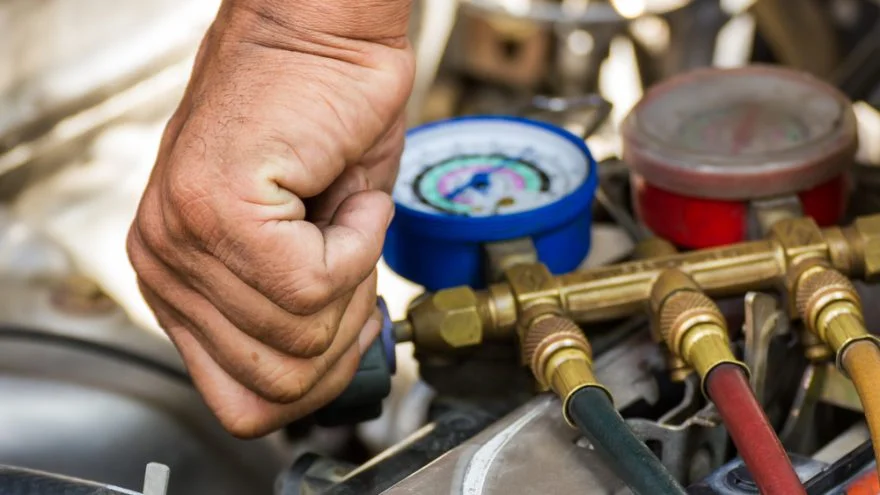
Compressed air dryers are an important part of any air compressor tool. Using different methods, they clean and dry the compressed air, removing particles, oil and water vapour. Clean, dry air is the perfect way to power your applications, and helps to avoid corrosion and control malfunctions. This means you’ll be getting a longer life from your equipment, and saving on the cost of maintenance.
How Do Air Dryers Work?
Air dryers work by removing water vapour from the air, with each type using a different method. The measurement of how dry the air is after processing is known as its ‘dew point’. The lower the temperature of the dew point, the less amount of water vapour that’s in the air. As a rule, the more water vapour that an air dryer can remove, the more it will cost to do so. Air dryers come in three main types, each with their own advantages and disadvantages, and are used in different industries depending on the need.
What Are Refrigerated Dryers?
These dryers are the most commonly used, and are known for their efficiency. Refrigerated dryers can reduce air to a 3°C dew point, removing the most amount of water with the least resources. Refrigerated dryers use a liquid refrigerant to cool the air’s water vapour into a liquid, and then remove the water content that’s created.
Pros: Works efficiently. Very cost-efficient to own and maintain.
Cons: Does not remove all moisture.
Industry Tip: Refrigerated dryers are the best choice for general air compressor use. They can remove over 75% of the moisture from compressed air, safeguarding against wear and tear.
What Are Membrane Dryers?
These air dryers work by pushing air through membrane tubes which collect and hold onto water vapour. After this, a small amount of dry air is used to sweep away the moisture on the membranes and reset them. Membrane air dryers can reduce the dew point of compressed air to as low as -40°C, although they do not reduce the temperature of the air itself.
Pros: Removes almost all moisture, and can filter out particles.
Cons: Expensive. Requires eventual replacement of membranes.
Industry Tip: Membrane dryers use up very little space, and have no need for an electrical supply. They are the perfect choice for environments where explosions are a risk.
What Are Desiccant Dryers?
Also known as ‘regenerative dryers’, these work by pushing air through a compartment filled with desiccants. Desiccants are materials that absorb water and become wetter, rather than hold onto or trap it. Regenerative dryers alternate between two compartments which after use are removed of moisture at separate times, by use of heat, compressed air, or other methods. The two-chamber method allows them to be constantly drying the compressed air. Desiccant dryers can reduce the dew point of air to -40°C or lower.
Pros: Very effective.
Cons: Expensive to own and run. Heated regenerative dryers require large amounts of electricity.
Industry Tip: Desiccant dryers are often used for critical applications. They’re known to reach dew points as low as -73°C (removing 99.99% of moisture), making them the ideal choice for sensitive work and cold conditions where freezing is a risk.
How to Maintain Your Compressor
No matter what your need, protecting your compressor with an air dryer is always a good idea. From corrosion and contamination to control malfunctions, they’ll help you avoid deterioration of parts and the frequent cost of maintenance.
Express Compressors are the air specialists, and with a wide range of products and services, we’re always on hand to help. So contact us today, to get the most from your air compressor.
Related articles
OEM vs OE vs aftermarket: what’s the difference in compressor parts?
When you need to replace a compressor part, understanding OEM vs aftermarket options can help you choose the right fit for your equipment. This blog explains the difference between OE, OEM and aftermarket compressor parts, how they compare, and what to check before buying a replacement part for your compressor….
Read article
Best air compressor brands for different applications
Why compressor type matters more than brand Many businesses begin their search by asking a simple question: What is the best air compressor brand? It sounds logical, but in practice, the brand is rarely the most important factor. The real starting point is the type of compressor and the application
Read article
Professional vs. DIY compressor maintenance
Maintaining your air compressor is essential for ensuring long-term performance, safety, and efficiency. While some might be tempted to tackle air compressor maintenance on their own, it’s crucial to understand the potential risks of DIY efforts. In this guide, we’ll explore why professional compressor maintenance is often the smarter choice,
Read articleUnsure what you need?
Reach out to Dan for an instant response to all general enquiries, part number checks, or advice.