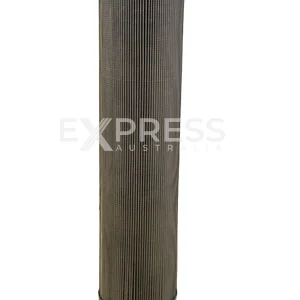
Hydraulic Filters & Suction Strainers
Atlas Copco 3222333740 Hydraulic Return Filter Equivalent
Part no. FH000534
$136.45 +GST
In stock
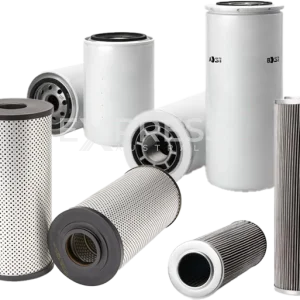
Hydraulic Filters & Suction Strainers
Baldwin BT260-10 Hydraulic Filter Equivalent
Part no. FH000552
$29.95 +GST
Available on backorder
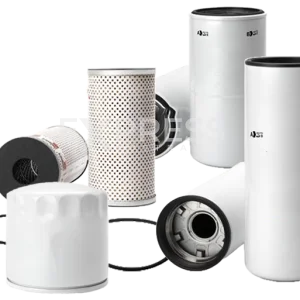
Hydraulic Filters & Suction Strainers
Baldwin BT287 Oil Filter
Part no. FH000519
Available on backorder
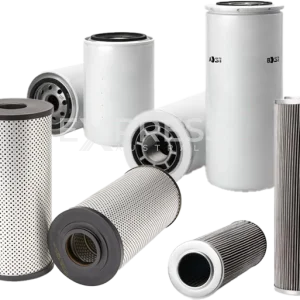
Hydraulic Filters & Suction Strainers
Baldwin BT366-10 Hydraulic Filter Equivalent
Part no. FH000556
$48.00 +GST
Available on backorder
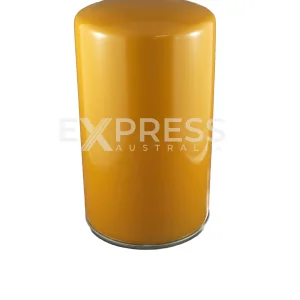
Hydraulic Filters & Suction Strainers
Baldwin BT8477 Hydraulic Filter Equivalent
Part no. FH000522
$80.20 +GST
In stock
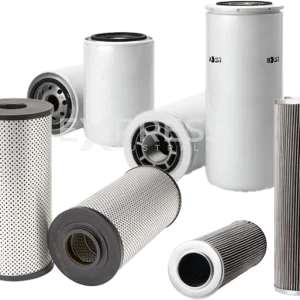
Hydraulic Filters & Suction Strainers
Baldwin PT23063-MPG Hydraulic Filter Equivalent
Part no. FH000540
Available on backorder
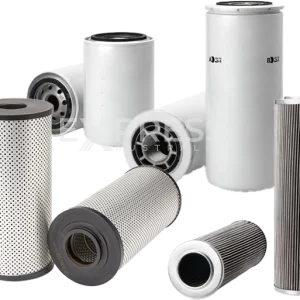
Hydraulic Filters & Suction Strainers
Baldwin PT23092-MPG Hydraulic Filter Equivalent
Part no. FH000544
Available on backorder
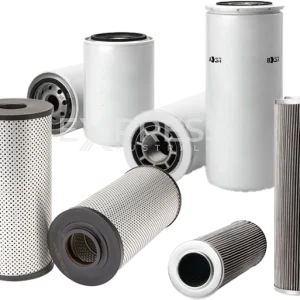
Hydraulic Filters & Suction Strainers
Baldwin PT9237 Hydraulic Filter Equivalent
Part no. FH000547
Available on backorder
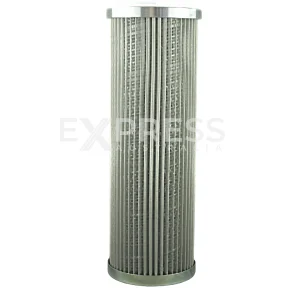
Hydraulic Filters & Suction Strainers
Baldwin PT9331 Hydraulic Filter Equivalent
Part no. FH000560
$159.55 +GST
In stock
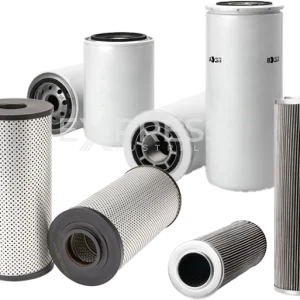
Hydraulic Filters & Suction Strainers
Donaldson P171533 Hydraulic Filter Equivalent
Part no. FH000548
Available on backorder
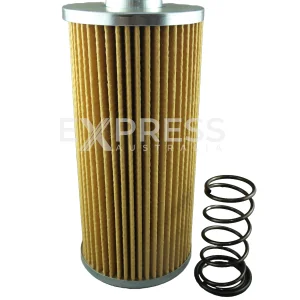
Hydraulic Filters & Suction Strainers
Donaldson P171540 Hydraulic Filter Equivalent
Part no. FH000515
$43.15 +GST
In stock
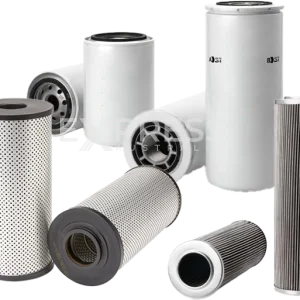
Hydraulic Filters & Suction Strainers
Donaldson P171544 Hydraulic Filter Equivalent
Part no. FH000541
Available on backorder
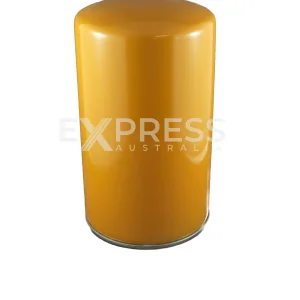
Hydraulic Filters & Suction Strainers
Donaldson P171621 Hydraulic Filter Equivalent
Part no. FH000523
$73.55 +GST
In stock
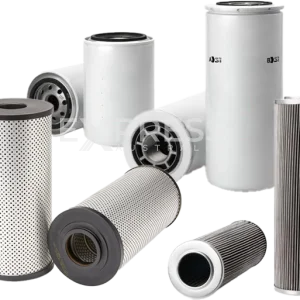
Hydraulic Filters & Suction Strainers
Donaldson P556005 Hydraulic Filter Equivalent
Part no. FH000553
$29.95 +GST
Available on backorder
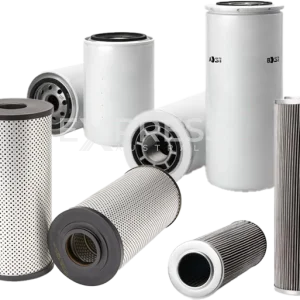
Hydraulic Filters & Suction Strainers
Donaldson P565243 Hydraulic Filter Equivalent
Part no. FH000557
$48.00 +GST
Available on backorder
Showing 15 of 98
Load more products
 Business pricing on parts and compressors