What is preventive maintenance? Keeping your compressed systems running smoothly
Maintenance · · 6 min read
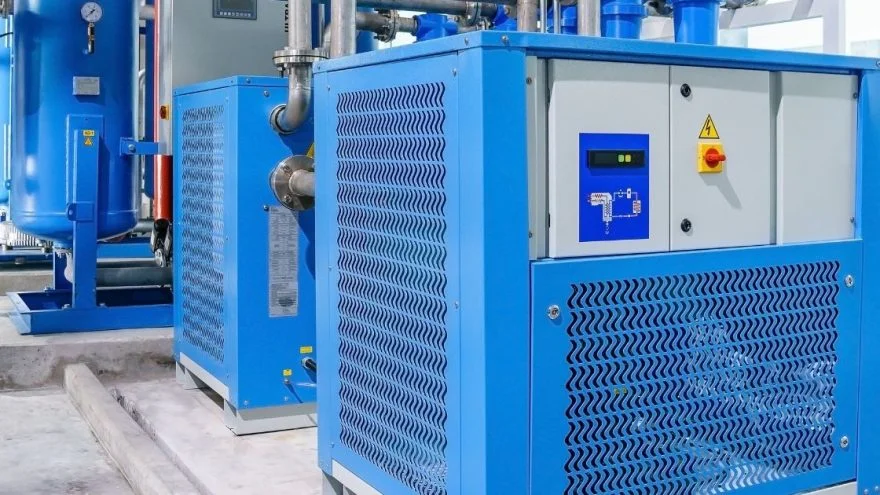
When your compressed air system goes down unexpectedly, the clock starts ticking. For Australian manufacturers, Unplanned downtime can cost manufacturers thousands of dollars per hour, and in large industrial operations, the cost can be much higher. That’s where preventive maintenance becomes your strongest defence.
At Express Australia, we work with maintenance teams across mining, manufacturing, and industrial facilities who understand that keeping air compressors running isn’t just about fixing problems when they occur. It’s about stopping those problems before they start.
If you need quality OEM-equivalent air compressor parts, get in contact with our team today.
What is preventive maintenance?
Preventive maintenance is the practice of servicing equipment on a planned schedule. Rather than waiting for components to break down (reactive maintenance), you replace wearing parts at regular intervals based on manufacturer recommendations, operating hours, or calendar time.
For air compressor systems, this means changing filters, replacing oil, inspecting belts, and checking critical components before they reach the end of their service life. The approach differs fundamentally from reactive maintenance, where you only address problems after they’ve caused downtime or damage.
Think of it like servicing your vehicle. You wouldn’t wait for the engine to seize before changing the oil. The same principle applies to industrial compressed air equipment, where the stakes are considerably higher.
Benefits of preventive maintenance for air compressor systems
Reduce Unplanned Downtime
The financial case for scheduled maintenance is straightforward. Companies that implement preventative maintenance programmes experience significantly less downtime compared to run-to-failure approaches. When you consider the cost of lost production, emergency callouts, and expedited parts shipping, the return on investment becomes clear.
Improve Energy Efficiency
Beyond avoiding breakdowns, preventive maintenance delivers measurable energy savings. Compressed air systems typically account for 10-30% of total electricity consumption in Australian industrial facilities. Poor maintenance can waste 80-90% of that energy through leaks, clogged filters, and inefficient operation.
Extend Equipment Life
Equipment lifespan extends significantly under preventive care. Components that might fail prematurely under reactive maintenance can reach or exceed their rated service life when properly maintained. This reduces capital replacement costs and improves budget predictability.
Reduce Emergency Callouts
For Western Australian operations, particularly remote mine sites running 24/7 schedules, preventive maintenance aligns with planned shutdown windows. Replacing parts on schedule avoids the logistical nightmare of emergency helicopter parts delivery to the Pilbara or coordinating urgent freight across the country.
Industrial preventive maintenance tasks for compressed air systems
Building an effective preventive maintenance programme means understanding which components need attention and when. Here’s how to structure your maintenance activities around the critical wearing parts in rotary screw and piston compressors.
Air filter replacement
Your air compressor air filter is the first line of defence against contaminants entering the compression chamber. In dusty Australian conditions, particularly mining and construction environments, filters work harder than in climate-controlled facilities.
Standard replacement intervals sit at 3-6 months for most applications, but harsh environments may require changes more frequently. Visual inspection should happen daily, checking for visible dust buildup or damage. A clogged intake filter forces the compressor to work harder, increasing energy consumption and placing unnecessary stress on downstream components.
Oil and oil filter changes
Compressor oil breaks down over time, losing its lubricating properties and ability to remove heat from the compression process. Oil change intervals vary by manufacturer and operating conditions, but are typically recommended between 1,000 and 4,000 operating hours, or at regular service intervals.
When changing oil, always replace the oil filter simultaneously. Fresh oil running through a contaminated filter defeats the purpose of the service. Use oil meeting ISO 6743-3 and DIN 51506 VDL specifications, and keep detailed records of oil type and change intervals.
Oil separator maintenance
The oil separator removes oil from compressed air before it enters your distribution system. These components typically last 4,000-6,000 operating hours, but pressure differential monitoring provides the most accurate replacement indicator.
When the pressure drop across your separator exceeds 0.7 bar, replacement becomes necessary regardless of hours. Delaying this service reduces air quality, wastes energy, and can damage downstream equipment. Quality compressor filters, including oil separators, are essential for maintaining system performance.
Drive belt inspection and replacement
Belt-driven compressors require monthly tension checks and annual replacement as a baseline. Look for glazing, cracks, or fraying during inspections.
Proper tension matters. Too loose and you lose efficiency; too tight and you accelerate bearing wear. Follow manufacturer specifications exactly, and keep spare belts on hand to avoid downtime when replacement becomes necessary.
Complete service kits
Many operators find air compressor service kits the most efficient approach to preventive maintenance. These kits bundle all wearing parts needed for scheduled service intervals, ensuring you have compatible components on hand when maintenance windows arrive.
Australian compliance requirements
Preventive maintenance isn’t just good practice in Australia; it’s a legal requirement for certain equipment. Some air receivers and pressure equipment may require design or item registration, depending on their pressure, volume, hazard level and use. Inspection requirements should be determined by a competent person in line with AS/NZS 3788, the equipment condition and the relevant state or territory regulations.
Work Health and Safety laws require pressure equipment to be properly maintained, inspected, and recorded, which in practice means having a documented maintenance system in place. This means keeping service records, tracking component replacements, and demonstrating compliance during inspections.
For operations covered by the Safeguard Mechanism, energy efficiency improvements through proper maintenance contribute to emissions reduction targets.
Performing preventive maintenance with quality parts
The effectiveness of your maintenance programme depends heavily on component quality. OEM equivalent parts deliver reliable performance at a lower cost, helping you control maintenance expenses whilst maintaining equipment performance.
We stock a comprehensive range of industrial filters, wearing parts, and accessories compatible with major compressor brands such as Atlas Copco, BOGE and Ingersoll Rand. Our Perth warehouse provides same-day dispatch, and we offer free shipping on orders over $250 Australia-wide, reducing the total cost of keeping spare parts on hand.
When harsh Australian conditions demand shorter service intervals, having reliable parts suppliers becomes critical. Give the team at Express a call today if you need assistance with your compressed air system maintenance.
Related articles
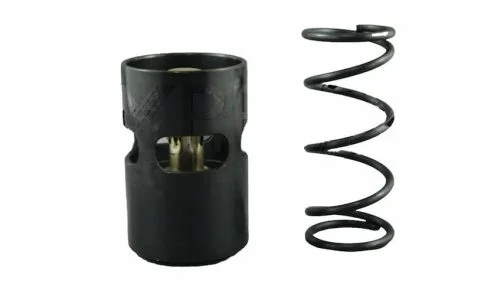
How thermostatic valves regulate compressor performance
A compressor thermostatic valve controls oil temperature in an oil-injected rotary screw compressor. It decides how much oil flows through the oil cooler and how much bypasses it. That small job has a direct effect on oil life and uptime. When the valve sticks, the result is either high-temperature shutdowns…
Read article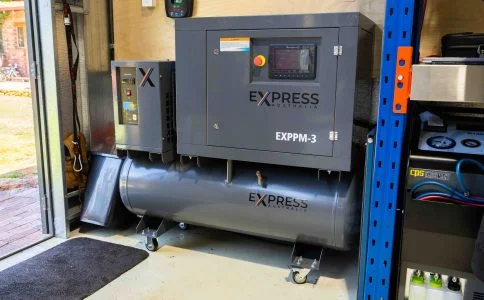
When to replace an air compressor drive belt
A worn air compressor drive belt will often show warning signs before it fails. Cracking, fraying, slipping, unusual noises or difficulty maintaining the correct tension can all indicate that replacement may be needed. There is no single replacement interval for every belt-driven air compressor. Belt life can differ based on
Read article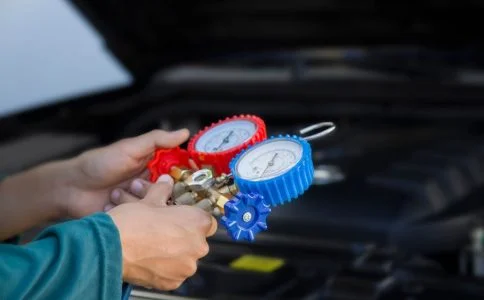
Is your air compressor leaking air?
An air compressor is a mechanical device that converts mechanical power into stored energy in the form of compressed air. All air compressors need the right airflow and pressure to power the tools they are connected to. An air compressor can be used every day or in industrial environments. Many
Read articleUnsure what you need?
Reach out to Dan for an instant response to all general enquiries, part number checks, or advice.